
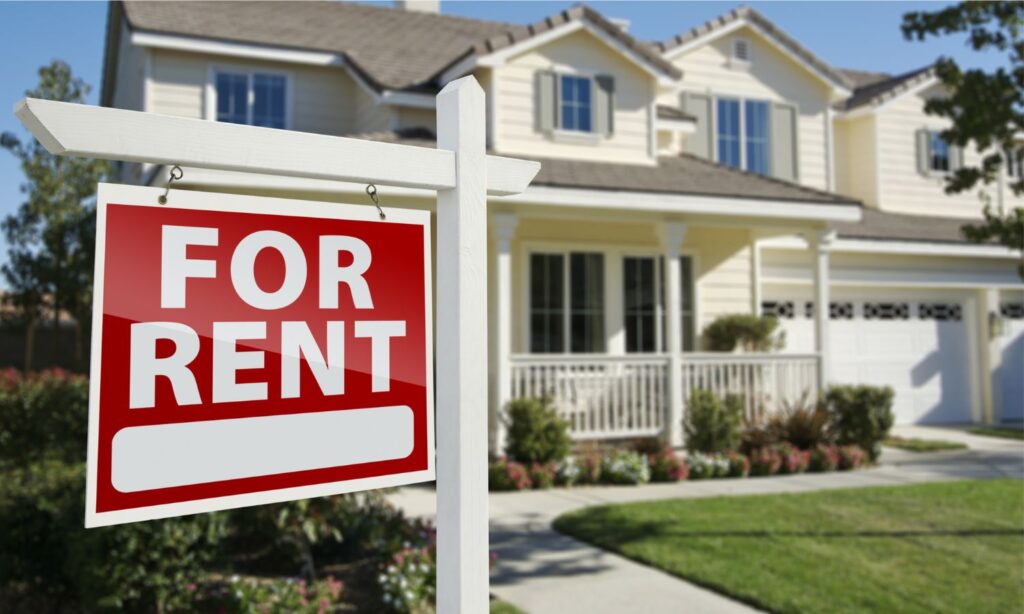
Investing in rental properties can be a lucrative and rewarding way to generate passive income and build wealth over time. Whether you’re a seasoned real estate investor or a novice considering your first rental property, this article will guide you through essential steps and strategies to make money with rental properties.
Choose the Right Property
The foundation of successful rental property investing starts with choosing the right property. Look for locations with strong rental demand, preferably in growing neighborhoods with good schools, low crime rates, and easy access to amenities like shopping centers and public transportation. Analyze the local real estate market to identify areas where property values are likely to appreciate over time.
Run the Numbers
Before purchasing a rental property, perform a thorough financial analysis. Consider the purchase price, ongoing expenses (taxes, property insurance, maintenance, and property management fees), and the potential rental income. Calculate your expected return on investment (ROI) and cash flow to ensure that the property is financially viable.
Financing Your Investment
Consider your financing options for acquiring the rental property. These options may include conventional mortgages, government-backed loans, or even partnerships with other investors. Choose the financing method that best aligns with your financial situation and investment goals.
Property Management
Decide whether you will manage the property yourself or hire a professional property management company. While self-management can save money, it requires time, effort, and expertise. Property management companies can handle tasks such as tenant screening, rent collection, maintenance, and property inspections, making your investment more hands-off.

Tenant Screening
Thorough tenant screening is crucial to ensure you rent to reliable and responsible tenants. Conduct background checks, credit checks, and reference checks to assess their financial stability and rental history. A rigorous screening process can reduce the risk of late payments and property damage.
Competitive Pricing
Set your rental rates competitively within the local market. Pricing your property too high may deter potential tenants, while pricing it too low could result in missed income opportunities. Research comparable rental properties in your area to determine an appropriate rent amount.
Regular Maintenance and Upkeep
Maintaining the property in good condition is essential for attracting and retaining tenants. Regularly schedule inspections and address maintenance issues promptly. A well-maintained property not only maintains its value but also encourages tenants to stay longer.

Lease Agreements
Draft comprehensive lease agreements that clearly outline tenant responsibilities, rent due dates, maintenance procedures, and terms of the lease. These agreements help protect both you and your tenants and provide a legal framework for your rental relationship.
Rental Property Tax Benefits
Take advantage of tax benefits associated with rental properties. Deductions for mortgage interest, property taxes, depreciation, and maintenance expenses can help reduce your overall tax liability. Consult with a tax professional to maximize your tax advantages.
Long-Term Appreciation
While rental income is an immediate benefit, rental properties can also appreciate in value over time. As property values increase, you may realize significant equity gains. Consider a long-term investment strategy to maximize both rental income and property appreciation.
Diversify Your Portfolio
As you gain experience and financial stability, consider diversifying your rental property portfolio. Owning multiple properties in different locations can provide a more stable income stream and reduce risk.
Conclusion
Investing in rental properties can be a profitable venture when approached strategically and diligently. By selecting the right property, managing it effectively, and maintaining a focus on long-term goals, you can generate consistent rental income and build substantial wealth over time. Rental property investing requires careful planning, attention to detail, and a commitment to maintaining your properties, but the rewards in terms of passive income and wealth accumulation can be substantial.


