
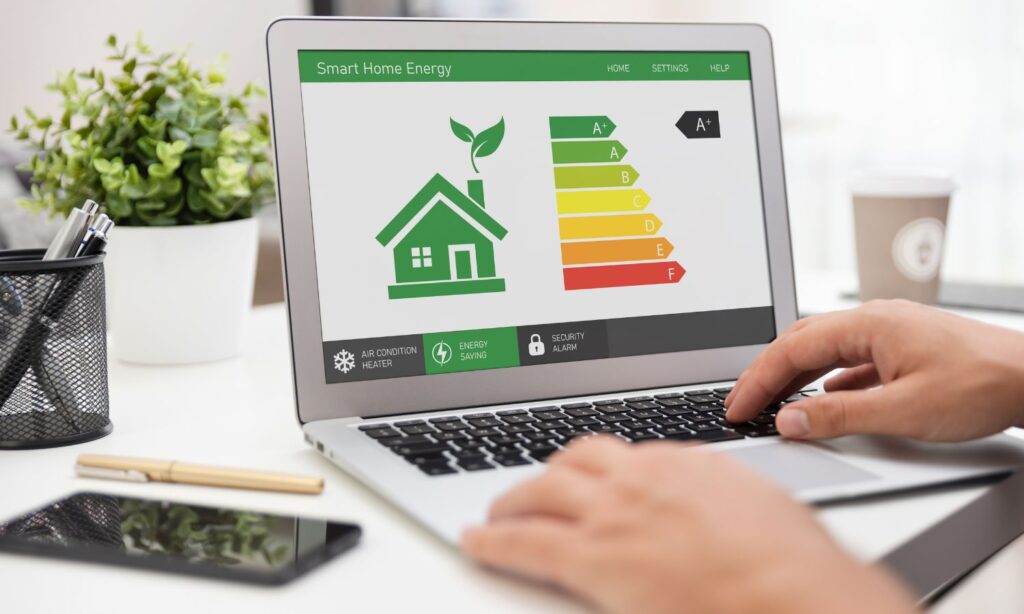
Increased home efficiency is the key to cutting down on energy costs and improving comfort. By implementing smart strategies, you can optimize your home’s energy usage, making it eco-friendly and budget-friendly. From insulation upgrades to energy-efficient appliances, these simple changes can greatly impact your home or property’s overall performance. In this guide, we’ll walk you through practical and easy-to-apply strategies to enhance home efficiency and boost comfort.
Insulate Key Areas of Your Home
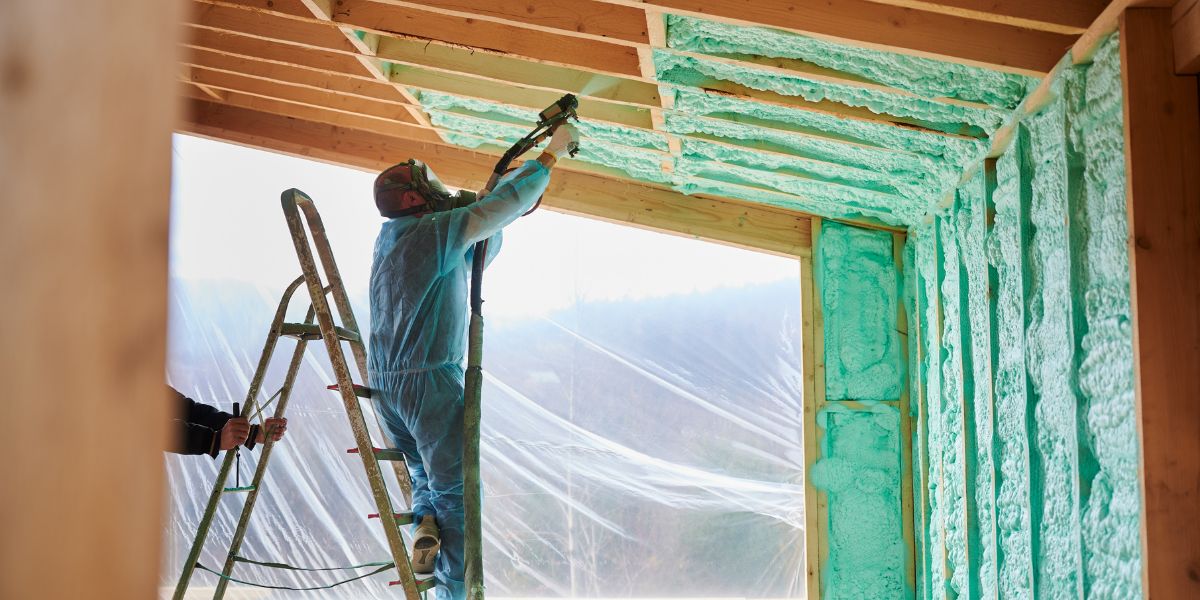
Improving your home’s insulation is one of the most effective ways to increase energy efficiency. Proper insulation helps maintain consistent temperatures and reduces the workload on your heating and cooling systems. These are key areas that would benefit most from insulation:
Attic Insulation
The attic is one of the primary areas where heat can escape or enter. Adding high-quality insulation, such as spray foam or fiberglass, reduces heat loss in the winter and prevents heat from entering during the summer.
Wall Insulation
Adding insulation to your walls is another powerful way to improve energy efficiency. Well-insulated walls act as a barrier, preventing heat transfer and keeping your home’s internal temperature steady throughout the year.
Crawl Space and Basement Insulation
Don’t overlook your crawl spaces and basement. These areas are notorious for air leaks and cold drafts. Insulating them properly ensures that cold air stays out, prevents moisture buildup, and improves overall comfort.
Upgrade to Energy Efficient Windows
Windows are a common source of energy loss. Upgrading to energy-efficient windows is a smart investment that increases home efficiency and reduces heating and cooling costs.
- Double-Pane or Triple-Pane Windows: These windows have multiple layers of glass with air or gas in between, acting as insulation. They keep heat from escaping during the winter and block heat from entering during the summer.
- Window Treatments: Adding blackout curtains or insulated drapes can enhance your windows’ energy efficiency by blocking out excess sunlight and reducing heat gain.
Seal Air Leaks
Even small cracks and gaps in your home can lead to significant energy loss. Sealing air leaks can improve your home’s efficiency and comfort.
- Weatherstripping: Weatherstripping around doors and windows creates a tight seal, preventing drafts.
- Caulking: Use caulk to fill gaps and cracks around window frames, outlets, and vents, which stops unwanted air exchange.
Install a Programmable or Smart Thermostat
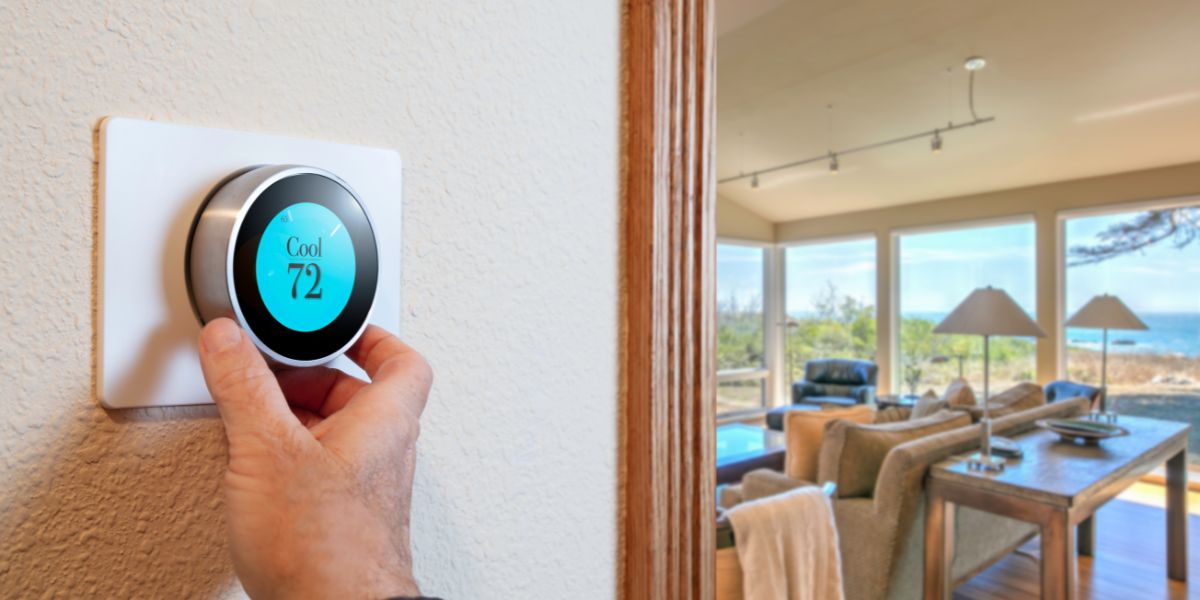
A smart thermostat is a game-changer when it comes to home efficiency. These devices allow you to automate and control your home’s temperature settings from your phone or other devices, ensuring optimal energy use.
- Programmable Thermostats: You can set heating and cooling schedules that fit your lifestyle, ensuring you’re not wasting energy when you’re away or asleep.
- Smart Thermostats: These advanced models learn your behavior and adjust temperatures based on your daily routines, leading to significant energy savings without sacrificing comfort.
Switch to Energy Efficient Appliances
Home appliances account for a large portion of energy usage. By replacing old, inefficient appliances with Energy Star-rated options, you can save on energy costs while reducing your carbon footprint.
- Energy-Efficient Refrigerators, Washers, and Dryers: These appliances use less energy and water, contributing to significant savings over time. They also tend to have better longevity, making them a wise investment.
Optimize Lighting with LEDs
Lighting is often overlooked, but upgrading to LED bulbs can significantly increase energy efficiency.
- LEDs use 75% less energy than incandescent bulbs and last up to 25 times longer. This makes them not only energy-efficient but also cost-effective.
- Consider smart bulbs that can be scheduled, dimmed, or controlled remotely for even more energy savings.
Use Solar Power for Sustainable Energy
Installing solar panels is an excellent way to adopt a more sustainable energy-use approach. Solar energy, a renewable resource, offers a clean and efficient solution for powering your home while decreasing dependence on traditional electricity sources. By harnessing the sun’s power, you can significantly reduce your carbon footprint and contribute to a greener environment.
The benefits of solar panels go beyond sustainability. They can lead to substantial savings on electricity bills, providing long-term financial benefits. As you generate your energy, your reliance on the grid decreases, giving you greater energy independence. Over time, the initial investment in solar panels pays off through lower utility costs, offering a practical and environmentally conscious way to enhance your home’s efficiency.
Water Efficiency Upgrades
Water heating is a significant source of energy consumption. By upgrading to energy-efficient water systems and fixtures, you can save water and reduce the energy needed to heat it.
- Low-Flow Faucets and Showerheads: These fixtures reduce water usage without sacrificing performance.
- Efficient Water Heaters: To reduce the cost of heating water, consider tankless water heaters or those with high energy efficiency ratings.
Conclusion
Implementing these smart strategies to increase home efficiency will lower your energy costs and create a more comfortable living environment. Whether you’re insulating key areas, upgrading to energy-efficient appliances, or installing smart home devices, each step brings you closer to a more efficient, eco-friendly home. Start with a few changes today, and enjoy long-term savings and enhanced comfort.
Ready to increase your home’s efficiency and comfort? Start by sealing air leaks, upgrading insulation, installing smart thermostats, and looking for more tips on energy-saving strategies. Check out our related posts on energy-efficient home upgrades and sustainable living ideas. Let us know in the comments how you’re improving your home’s efficiency!


